Given the continuing surge in historical fiction’s popularity, backlash was inevitable. First, it was an article in the UK Guardian, in which certain historians bemoaned the success of historical novelists, which in turn has lowered historical nonfiction’s profile and their own advances, and even led some to defect to a genre they clearly feel is beneath them. Now, in a recent
article in the same Guardian, historian Anthony Beevor makes his case against what he dubs “histo-tainment”, stating: “…when the historical novel is made into a TV play or film the process of faction-creep accelerates. From selling fiction as truth in books and movies to the big lies of counter-knowledge is not such a very big step after all. The key point, surely, is that we play with facts at our peril.”
Earlier in the article, Mr Beevor argues that the trend of fictionalizing actual events in film and, to a lesser degree, books corrupts history and misleads us as a culture. We are losing a sense of our historical past and giving conspiracy theorists the upper hand, as these thrive in a fact-deprived environment. He mentions hearing a young man whisper in the row behind him at the end of
The Da Vinci Code movie, “It makes you think, doesn’t it?” and not knowing whether to laugh or be appalled. Well, neither do I – but mostly because Mr. Beevor evidently paid to see the film.
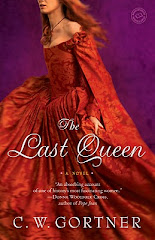
In any event, the article ruffled my fur. First of all, as a historical fiction novelist I strive to remain as true to facts as possible and I know most of my respected colleagues do the same. Some of us even have a saying: "Don’t defame the dead." Yet for years, the lofty gatekeepers of academia have looked down on historical fiction novelists as second-rate hacks who can never fully achieve the illusory veracity of history. Much of their disdain reads like sour grapes; nevertheless, everyone has a right to their opinion. That said, most historical fiction writers do not set out to castrate history; while the words ‘a novel’ are emblazoned on our covers, we take our research very seriously – sometimes, to our editors’ despair, too seriously.
No one can argue that Story is the primary component of commercial fiction, the arena where historical fiction competes for readers; within this vast arena, maintaining factual veracity at all times is not so simple. For starters, history itself is contradictory. Seek out three sources on the Tudors and I guarantee you’ll find different opinions on Henry VIII. The historical novelist’s task is therefore complex: we must research everything there is to find out; distill this unwieldy mass of information into what is relevant to our particular book; and, in the case of contradictory facts, make decisions about what probably happened based on what we know about the era, the event, the character in question—all the while never forgetting the dictates of Story. Factual accuracy is essential. But within a finite amount of words, we know going in that not everything that happened to our Historical Protagonist will make it into the book. And sometimes, painful as it can be, we must modify or alter situations and characters to create a seamless narrative, because unlike the historian or biographer for the historical novelist the biggest challenge is what not to include.
The truth is, our readers and our editors require the same ingredients from us that they require from any novelist: complex, interesting characters; a well-constructed plot, and, above all else, irresistible story. At best, historical fiction draws them into the past and gives them a sense of what life might have been like. If their imagination ignites, they’ll hopefully seek out more fiction and nonfiction on the subject. At worst, historical fiction is just entertainment, on par with much commercial fiction published today. Some writers do it better than others; but it should never be mistaken for History. It is fiction, based on actual events, people and eras, so there is no excuse for sloppy research. A historical novelist worth his or her salt will not show Lucrezia Borgia plugging in the can opener. Still, when it comes to story . . . well, that can depend on who’s telling it.
I believe historical fiction writers bear the responsibility to adhere to known facts and not go hog-wild re-inventing the past to suit their whims; but I also believe that as readers, we bear equal responsibility to not believe everything we read.

.jpg) g pups will likely die without their wolf family. These are just some of the latest victims of the federal government’s likely illegal decision to eliminate vital protections for our wolves in Greater Yellowstone and the northern Rockies. Please sign Defenders of Wildlife's petition and urge Interior Secretary Ken Salazar to immediately take action to restore protections for these amazing animals.The next few weeks will be crucial for wolves in the Greater Yellowstone region. The future of wolves in the northern Rockies is at a crossroads and it will take the voices of caring wildlife supporters to make a difference.
g pups will likely die without their wolf family. These are just some of the latest victims of the federal government’s likely illegal decision to eliminate vital protections for our wolves in Greater Yellowstone and the northern Rockies. Please sign Defenders of Wildlife's petition and urge Interior Secretary Ken Salazar to immediately take action to restore protections for these amazing animals.The next few weeks will be crucial for wolves in the Greater Yellowstone region. The future of wolves in the northern Rockies is at a crossroads and it will take the voices of caring wildlife supporters to make a difference.


 Jeri Westerson is one of my favorite new mystery writers, forging a place for herself in the medieval "noir" genre with her exciting Crispin Guest series. In her debut, VEIL OF LIES, Jeri delivered a compelling, gritty portrait of the tangled alleyways and dangers of life in 14th century London and introduced us to Crispin, a disgraced knight struggling to make ends meet as a detective-for-hire. The second in the series, SERPENT IN THE THORNS, promises to be equally engrossing, as a simple-minded tavern girl stirs up trouble for Crispin when a body is found in her room.


.jpg)






.jpg&imgrefurl=http://www.firstpeople.us/pictures/wolves/1024x768/Wolves-001-1024x768.html&usg=__8sCmBgGyCRcdk3QL4quOCQb-K-o=&h=768&w=1024&sz=79&hl=en&start=6&um=1&tbnid=u_gdIr_8wIDYpM:&tbnh=113&tbnw=150&prev=/images%3Fq%3Dwolves%26hl%3Den%26rlz%3D1T4ADBF_enUS284US284%26sa%3DX%26um%3D1)

